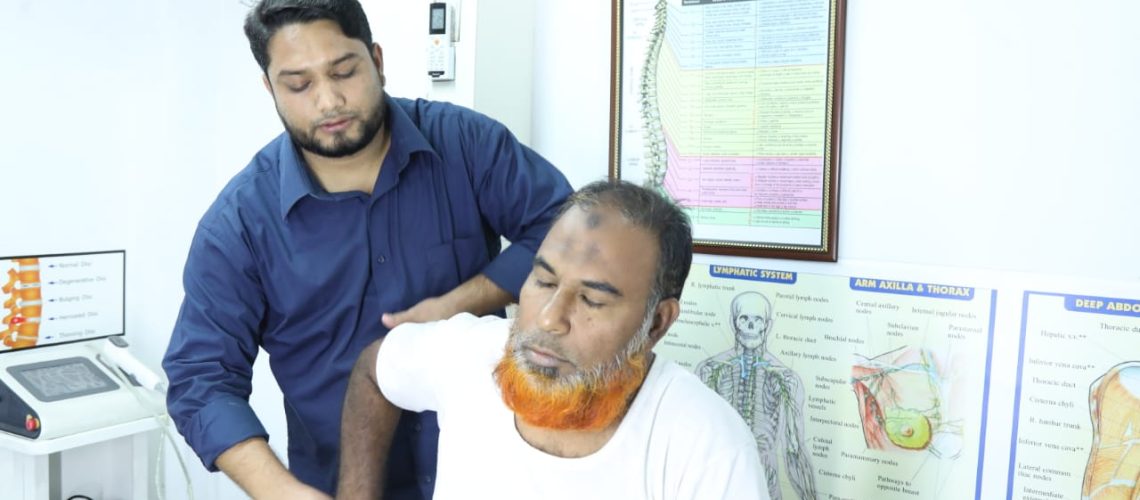
The acoustic waves are rapid, high-pressure sound pulses (not electrical shocks) that propagate through tissues. They create mechanical stress, leading to a process called mechanotransduction — where physical forces are converted into biological signals at the cellular level.
How Shockwave Therapy Works: The Science Behind It
Key mechanisms include:
- Micro-trauma and Controlled Inflammation — The waves induce tiny, controlled “micro-traumas” in tissues, which paradoxically kickstarts the body’s repair response by triggering inflammation that promotes healing (rather than chronic harmful inflammation).
- Neovascularization — Shockwaves stimulate the formation of new blood vessels (angiogenesis), improving oxygen and nutrient delivery while removing waste products from damaged areas.
- Stem Cell and Growth Factor Activation — They promote the release of growth factors (e.g., VEGF, TGF-β), attract stem cells, and enhance cell proliferation, collagen synthesis, and tissue regeneration.
- Pain Relief Mechanisms — Short-term: Hyperstimulation anesthesia overwhelms nerve endings (gate-control theory). Long-term: Reduced inflammation, breakdown of calcified deposits, and modulation of pain pathways.
- Other Effects — Shockwave therapy Increased metabolism in cells, dissolution of calcifications (e.g., in tendons), and breakdown of scar tissue or fibrous adhesions.
There are two main types:
- Focused ESWT (high-energy, deeper penetration, often used in clinics for precise targeting).
- Radial Pressure Wave (RPW) therapy (lower-energy, more superficial, often called “radial shockwave”).
Evidence from systematic reviews supports these mechanisms, showing benefits in tissue repair, reduced inflammation, and pain modulation for various conditions.
Who Can Benefit? Common Indications
Shockwave therapy is particularly useful for chronic conditions that haven’t responded well to conservative treatments like rest, physical therapy, medications, or injections. Strongest evidence exists for:
- Plantar fasciitis (heel pain) — Often effective for chronic cases, with many studies showing pain reduction and improved function.
- Calcific tendinitis (e.g., shoulder) — Helps break down calcium deposits.
- Tendinopathies — Such as Achilles tendinopathy, Shockwave therapy, patellar tendinopathy (jumper’s knee), or insertional issues.
For lateral epicondylitis (tennis elbow) and similar overuse injuries, evidence is more mixed — some reviews show benefits (especially when other treatments fail), while others find limited or no added value over placebo or standard care.
Other potential uses include chronic lower back/neck pain, shin splints, myofascial trigger points, and certain cases of osteoarthritis or delayed bone healing, though more research is needed for broader applications in Shockwave therapy.
It’s often recommended when patients have had symptoms for 6+ months and failed initial conservative management.
Core Benefits of Shockwave therapy
- Non-invasive and non-surgical — No incisions, anesthesia, or hospital stay.
- Promotes natural healing — Targets root causes rather than just masking symptoms.
- Pain reduction — Many patients report noticeable relief after 1-3 sessions, with cumulative improvements.
- Improved function and mobility — By reducing scar tissue, inflammation, and enhancing tissue quality.
- Quick sessions with minimal downtime — Return to normal activities immediately (though avoid heavy loading right after).
- Cost-effective alternative — Compared to surgery or prolonged therapy.
What to Expect During Treatment
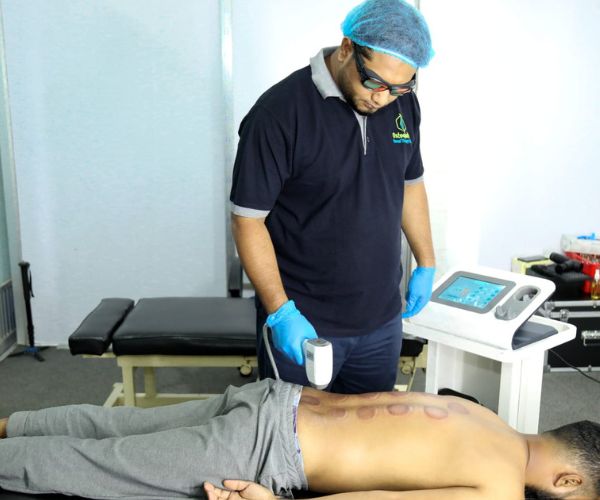
A Shockwave therapy session starts with assessment to confirm suitability. The provider applies gel and positions the device. You’ll feel pulsing or tapping sensations — some discomfort is common (described as intense but tolerable), especially at higher energies, but it’s usually short-lived. Post-treatment, mild soreness, redness, or bruising may occur for a day or two, similar to post-exercise effects.
Potential Side Effects, Risks, and Contraindications in Shockwave therapy
Side effects are generally mild and transient:
- Pain or discomfort during/after treatment.
- Skin redness, bruising, swelling, or minor hematomas.
- Temporary flare-up of symptoms.
Rare complications include nerve irritation, edema, or (very rarely) tendon issues if overused on weakened structures.
Contraindications (avoid treatment if need any Shockwave therapy):
- Pregnancy (especially over abdomen/pelvis).
- Active infection or open wound at the site.
- Malignant tumor in/near the treatment area.
- Severe bleeding/coagulation disorders or anticoagulant use (for high-energy).
- Pacemaker or certain implants (depending on type/energy).
- Treatment over lungs, brain, or major nerves (high-energy focused).
Always consult a qualified provider for personalized evaluation for Shockwave therapy
If you’re dealing with persistent musculoskeletal pain, shockwave therapy offers a promising, evidence-based option — especially at specialized centers like the Chiropractic and Osteopathic Center Dhaka. Booking a consultation (e.g., via chiroosteopathybd.com) can help determine if it’s right for your specific condition. Many patients regain mobility and reduce reliance on pain meds through this approach.